• Shopping Cart Shopping Cart
    0Shopping Cart
Save a Little Life
  • HOME
  • ABOUT
    • SAVE A LITTLE LIFE
    • OUR TEAM
  • CLASSES
    • CERTIFICATION CLASSES
    • NON-CERTIFICATION CLASSES
    • CLASES EN ESPAÑOL
    • VIRTUAL CLASSES
  • FAQ
  • CALENDAR
  • GALLERY
  • SAFETY CORNER
  • SHOP
  • RESOURCES
  • CONTACT
  • Menu Menu
Injury Prevention, Poison

CANDY OR CANNABIS?

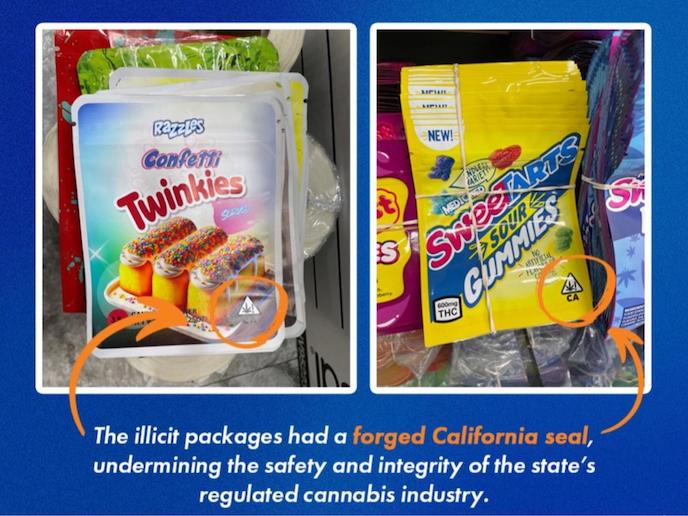
California authorities recently seized 2.2 million illicit cannabis packages designed to look like popular food snacks and candy. The sting operation focused on 11 storefronts in the city’s Toy District where businesses were making and selling packaging used to deceive customers.

According to the L.A. Times, “The packages seized in the sweep were empty, but designed to mimic popular food and candy, including Sweet Tarts sour gummies and Twinkies adorned with rainbow sprinkles, which officials said could make them attractive to children. Such packages would not be permitted in the legal marijuana market.”

Under state law, cannabis goods must be labeled to ensure that consumers know what they are buying and to prevent products from being misused. Sellers are required to have packaging that is child-resistant, resealable and opaque if it’s an edible product. Vetted products feature a marijuana leaf symbol and an exclamation mark inside a triangle.

Unfortunately, the illegal weed market is aware of this, so some are now illegally creating packaging with a forged seal to sell their black market products.

Each of the seized packages was labeled with a forged California marijuana seal, giving would-be purchasers the false impression that the products inside had been vetted by the state. 
Obviously, this poses a danger to consumers.

Governor Newsom responded stating “We will not tolerate criminal activity that undermines the legal market, especially when it puts children at risk.”

Department of Cannabis Control Director Nicole Elliot added that such counterfeit packaging can potentially pose danger to consumers, “especially when it is ripping-off well-known brands that are attractive to children.”

Why is cannabis such a risk to children?

Children react very differently to cannabis than adults. Their reaction is extremely variable with symptoms varying from none at all to a coma. In a previous post we took a look at this issue and why it has become such a concern.  You can find that article Cannabis Poisoning In Children Is On The Rise here.

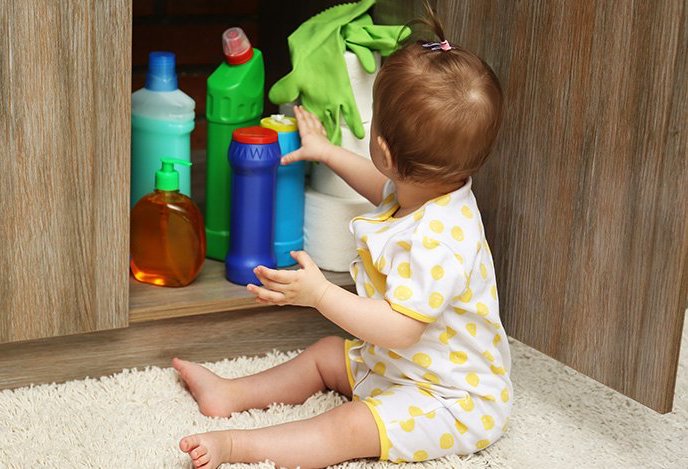
In our Pediatric CPR & Family Safety Class we always discuss potential risks to little ones who might accidentally consume any substance that might harm them. Our emphasis is on the 4 specific groups of potential toxins including drugs (of all kinds), plants, flowers and common chemicals used around the home for cleaning.
We strongly recommend the following guidelines:

• Keep all medications well hidden and out of sight of toddlers and children
• Be aware that little ones are always observing adults and might think that what they consume is OK for them
• Know the toxicity of common (indoor plants) as well as those in your garden
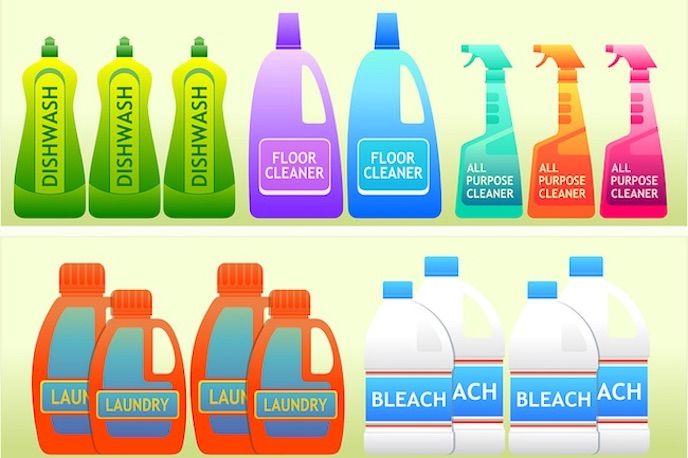
• All chemicals used for cleaning, disinfecting, or insecticides must be kept well out of reach and in cabinets that have good quality locks
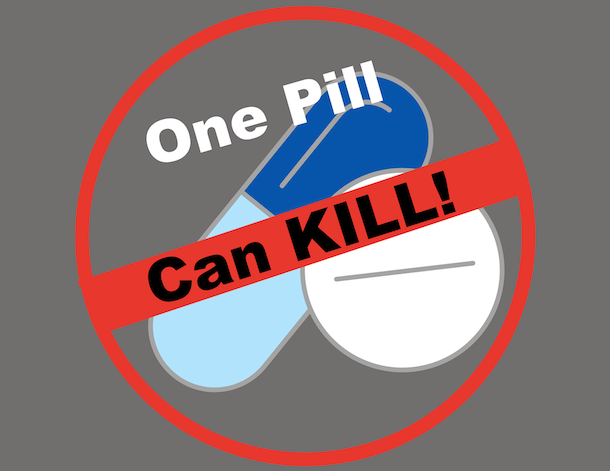
If you believe that there has been an ingestion of any substance by your little one, please call California Poison Control immediately @ 1-800-222-1222.

October 4, 2024
https://staging.savealittlelife.com/wp-content/uploads/2024/10/cannabis-candy-688x459-1.jpg 459 688 RichardP https://staging.savealittlelife.com/wp-content/uploads/2017/02/Save-A-Little-Life-logo.jpg RichardP2024-10-04 14:17:162024-10-04 14:17:16CANDY OR CANNABIS?
Poison

CAUTION: COLORFUL CURIOSITIES

Parents who have taken our CPR & Family Safety Class will recall that the class highlights poison prevention, and for good reason.

The most recent report from the Consumer Product Safety Commission (CPSC) shows an alarming increase in both serious and fatal poisonings…especially in the 0-4 age group.

The numbers show an increase in fatal poisonings of 37% from 2020 to 2021 with a significant increase of 66% from ’21-’22. These numbers are on the rise and Emergency Departments and the CPSC are sounding the alarm.

In particular we are looking at:

  • All Acetaminophen (Tylenol) products – especially liquid versions
  • Narcotics/opiates
  • Hallucinogenic substances (including ingestible cannabinoids)
  • Ibuprofen agents

One very simple thing to keep in mind is this:

Children are attracted to bright, colorful items whether it’s pills or cleaning supplies and chemicals used for washing clothes and dishes.  It all looks like candy to them.

The essentials of poison prevention are well known  but sometimes we need reminding.

Be sure to follow these essential guidelines:

  • Keep ALL medications well out of reach of children
  • Only administer pediatric medications as prescribed by your pediatrician
  • Check age and size-related dosing of anti-fever drugs. For example: Tylenol and Ibuprofen medications both come in infant and toddler strength
  • Never use words like “sweet” or “candy” when trying to get your little one to take medication as they will get the wrong message
  • Any recreational drugs need to be either very well hidden or in a locked container
  • Make sure that all relatives and/or care providers understand these safety rules

Keep your loved ones safe and healthy.

April 19, 2024
https://staging.savealittlelife.com/wp-content/uploads/2024/04/pills-3673645_1280-688X458.jpg 458 688 RichardP https://staging.savealittlelife.com/wp-content/uploads/2017/02/Save-A-Little-Life-logo.jpg RichardP2024-04-19 17:25:122024-04-19 18:24:30CAUTION: COLORFUL CURIOSITIES
Poison

THE RISING RATE OF PEDIATRIC OPIOID POISONING

When little Enora Lavenir’s parents put her down for a nap during a family vacation they never could have imagined it would result in her death. Vacationing in a Florida Airbnb, the couple didn’t know that the rental home had been a “party house” where the illicit drug Fentanyl had likely been used. Yet, confirmed by autopsy, Enora’s death was due to acute Fentanyl toxicity.

Until now, our perception of the opioid crisis has largely been viewed as an adult problem. However, there is stunning and alarming evidence that infants and children are more likely to die from an opioid overdose than from any other toxic substance.

According to findings published in the journal Pediatrics about 52% of poisoning deaths in children under 5 years of age are due to opioids. “In fact, the number has doubled since 2005, when 24% of poisonings were attributable to opioids” said lead researcher Dr. Christopher Gaw, a pediatric emergency physician at Childrens Hospital of Philadelphia.

Dr. Gaw and colleagues reviewed child death data from the U.S. National Center for Fatality Review and Prevention. Between 2005-2018, 731 poisoning deaths in children aged 5 and younger were reported to the center. Overall, infants, under the age of 1 accounted for 2/5 (40%) of poisoning deaths. During this period opioids were involved in 47% of these deaths. The next leading cause of drug related deaths occurred from over the counter pain & cold medications (15%).

Five years later, the numbers are rising.

Even a small dose of a prescription opioid can put an infant or toddler’s life at risk. This is particularly true of synthetic opioids such as Fentanyl which is 50-100 times more potent than morphine. 

Where are these overdose deaths occurring?

Nearly 2/3 of these poisoning deaths occur in the infant or child’s home.  Roughly 1/3 of these occurred when a child was supervised by someone other than their parents. The data clearly shows that the vast majority of these poisonings were accidental.  Dr. Gaw added “Kids are curious, active and we know from experience and other studies that often kids are exposed accidentally.  They are just exploring their environment when they find an opioid and end up ingesting it.  A lot of these are what we call exploratory ingestions.”

Dr. Sam Wang, a pediatric toxicologist with Childrens Hospital Colorado in Aurora noted ”even legitimate opioids that are not properly stored and kept out of reach of a child can cause a death if a child would get into them.”  On the other hand, illicit drugs are particularly risky in homes where supervision of children is usually not as good.  This type of event is considered drug endangerment.  Our readers need to understand that, even when properly prescribed opioids are in the home, they must be stored safely  –  away from little ones.  

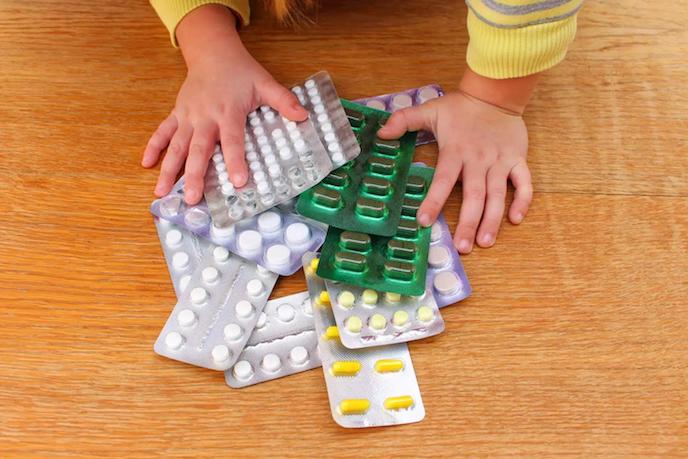
Shows a baby's hands on top of various pill packets

SIGNS OF AN OPIATE OVERDOSE:

  • Very lethargic, hard to arouse
  • Shallow, slower breathing
  • “Pinpoint” pupils

If any of these occur call 9-1-1 immediately and if breathing stops, initiate CPR immediately

Our Pediatric CPR & Family Safety Class begins with a focus on prevention of most household injuries & accidents.  

When it comes to storing any potentially dangerous drugs we emphasize:

  • storing all medication (prescription or otherwise) out of the reach of children
  • keeping opioid drugs under lock and key, if possible
  • that medications of this type be kept in child resistant containers

Consider asking you M.D. for a prescription for Naloxone, the proven life-saving antidote to all opiate drugs.

March 31, 2023
https://staging.savealittlelife.com/wp-content/uploads/2023/03/save-a-little-life-the-rising-rate-of-pediatric-opioid-poisoning.jpg 459 688 RichardP https://staging.savealittlelife.com/wp-content/uploads/2017/02/Save-A-Little-Life-logo.jpg RichardP2023-03-31 15:51:532023-03-31 16:16:11THE RISING RATE OF PEDIATRIC OPIOID POISONING
Poison

CANNABIS POISONING IN CHILDREN IS ON THE RISE

Cannabis poisoning in children is on the rise. Hospitals are seeing an increase in child admissions due to the unintentional ingestion of edible cannabis products. This is particularly prevalent in states that have legalized cannabis. 

In many cases the products being ingested are unregulated, meaning that they don’t come from an authorized retailer and are likely to contain many more milligrams of THC than that which is approved by federal and state guidelines. 

How does a child get their hands on cannabis edibles? The two most common sources are gummies and chocolate edibles which look almost identical to or in some cases are made from popular brands of candy.

What most people don’t realize is that the effects of cannabis in a child are much more variable than effects seen in adults, and any ingestion of cannabis in a child can cause unpredictable harm.

WHAT ARE THE SYMPTOMS OF CANNABIS POISONING IN A CHIILD?

Symptoms can vary from none at all to a coma.

Some children may require a breathing tube and need to be closely monitored in an intensive care setting.

 Other symptoms can include:

  • Vomiting
  • Agitation
  • Confusion
  • Slurred speech
  • Unsteadiness on feet
  • Drowsiness/lethargy
  • Muscle weakness
  • Slowed breathing
  • Coma
  • Seizures (rare)

HOW CAN  I PREVENT AN UNINTENTIONAL CANNABIS POISONING?

  • Store all cannabis products in a locked box or container, and separate them from regular food and drinks. Ensure that the products are labeled. Remember: #HighAndLocked!
  • Be extra careful with edible cannabis, which can be mistaken for regular food, drink and candy
  • Always buy your cannabis products from an legally authorized seller

Save A Little Life™ encourages extra vigilance in this area, and recommends that parents have phone numbers for their local Poison Control center quickly and easily available.


March 8, 2022
https://staging.savealittlelife.com/wp-content/uploads/2022/03/safety-corner-cannabis-poisoning-image-by-plants-for-persephone-unsplash.jpg 449 599 RichardP https://staging.savealittlelife.com/wp-content/uploads/2017/02/Save-A-Little-Life-logo.jpg RichardP2022-03-08 19:22:522022-03-22 16:59:05CANNABIS POISONING IN CHILDREN IS ON THE RISE
Poison

THE 7 MOST DANGEROUS POTENTIAL POISONS IN THE HOME

(From the American Academy of Pediatrics**)


Children can get very sick if they come in contact with medicines, household products, pesticides, chemicals, cosmetics or plants.
 This can happen at any age and can cause serious reactions. However, most children who come in contact with these things are not poisoned, And most who are poisoned are not permanently hurt if they are treated right away.

Most poisonings occur when parents are not paying close attention. While you are busy cooking dinner, or planning tomorrow’s schedule, your child may explore what’s in the closet or under the bathroom sink.
Because children like to put things into their mouths and taste them, all dangerous items should be kept out of their reach. The best way to prevent poisonings is to lock up all dangerous items.

The 7 most dangerous potential poisons in the home for young children are:

  • Medicines (iron medicines are one of the most serious causes of poisonings in children younger than 5 years)
  • Cleaning products
  • Antifreeze
  • Windshield washer fluid
  • Pesticides
  • Furniture polish
  • Gasoline, kerosene, lamp oil

It also is important to store medicines and household products in their original containers. Many dangerous items look like food or drinks. For example, your child may mistake powdered dish soap for sugar or lemon liquid cleaner for lemonade.
Also, watch your child even more closely when you are away from home, especially at a grandparent’s home where medicines are often left within a child’s reach.

If You Have a Poison Emergency

Call THE POISON HELP LINE at 1-800-222-1222, a nationwide toll-free number that directs your call to your regional poison center. A poison expert in your area is available 24 hours a day, seven days a week. You can also call them if you have a question about a poison or about poison prevention.

**The American Academy of Pediatrics is an organization of 57,000 primary care pediatricians, pediatric medical subspecialists and pediatric surgical specialists dedicated to the health, safety and well-being of infants, children, adolescents and young adults.

February 1, 2017
https://staging.savealittlelife.com/wp-content/uploads/2017/01/7-most-dangerous-poisons-in-the-home.jpg 448 599 RichardP https://staging.savealittlelife.com/wp-content/uploads/2017/02/Save-A-Little-Life-logo.jpg RichardP2017-02-01 03:19:392018-04-27 12:29:52THE 7 MOST DANGEROUS POTENTIAL POISONS IN THE HOME
Poison

SYRUP OF IPECAC NO LONGER RECOMMENDED

Up until 2003, the The American Academy of Pediatrics (AAP) was advising that parents keep a 1-ounce bottle of syrup of ipecac in the home to induce vomiting if it was feared a child had swallowed a poisonous substance. Ipecac was recommended for use only on the advice of a doctor or poison control center.

In 2003, however, AAP revised their recommendations, advising that syrup of ipecac no longer be used routinely as a home treatment strategy.

Why the Change?

Although it seems to make sense to induce vomiting after the ingestion of a potentially poisonous substance, ipecac was never proven to be effective in preventing poisoning. and research failed to show benefit for children who were treated with it. This was the key reason for the policy change.

It is also important to note that poisoning deaths have dropped dramatically over the last 50 years and that most emergency rooms have stopped using the drug in favor of the more effective activated charcoal. Research has shown that ipecac medication has been improperly administered by parents, and has been abused by people with eating disorders such as bulimia. In rare cases, ipecac was used abusively by parents or caregivers with Munchausen Syndrome By Proxy (a type of child abuse). Abuse of ipecac can lead to heart problems and even death.

The AAP now stresses that prevention is the best defense against unintentional poisoning, and that parents should keep potential poisons locked out of sight and out of reach. They also recommend never transferring a substance from its original to an alternate container, and safe disposal of all unused and no longer needed medications.

NOTE: The American Academy of Pediatrics is an organization of 57,000 primary care pediatricians, pediatric medical subspecialists and pediatric surgical specialists dedicated to the health, safety and well-being of infants, children, adolescents and young adults.

PARENTS ARE STRONGLY ADVISED TO KEEP THE PHONE NUMBER
FOR POISON CONTROL POSTED NEAR THE PHONE

(800) 222-1222

IN THE CASE OF CONVULSIONS, UNCONSCIOUSNESS, OR IF BREATHING HAS STOPPED

CALL 911

February 1, 2017
https://staging.savealittlelife.com/wp-content/uploads/2017/01/Syrup-of-ipecac-no-longer-recommended.jpg 449 599 RichardP https://staging.savealittlelife.com/wp-content/uploads/2017/02/Save-A-Little-Life-logo.jpg RichardP2017-02-01 01:21:562017-02-01 01:21:56SYRUP OF IPECAC NO LONGER RECOMMENDED
Poison

WHICH PLANTS ARE TOXIC AND WHICH ONES ARE SAFE?

It is imperative that responsible adults maintain a safe home environment and be able to recognize possible symptoms of a poisoning.

I am often asked which plants are toxic and which ones are safe for the home and garden areas. Listed here are more than a few relatively safe plants which if ingested are not likely to cause serious health problems:

  • African Violet
  • Boston Fern
  • Carnation
  • Christmas Cactus
  • Chrysanthemum
  • Coleus
  • Dandelion
  • Eucalyptus
  • Fern
  • Forsythia
  • Gardenia
  • Honeysuckle
  • Jade Plant
  • Marigold
  • Mint
  • Rose
  • Rubber Plant
  • Snapdragon
  • Spider Plant
  • wedish Ivy
  • Tulip
  • Violet

Consider these as part of a garden that is as non-toxic as one can plan for. If you are interested in which plants are quite toxic and should be avoided, purchase a copy of the Peterson Field Guide to Venemous Animals & Poisonous Plants.

WHAT TO LOOK FOR IF YOU SUSPECT A POISONING

Symptoms to observe for in an infant or child with suspected toxic ingestion include:
•    Difficulty breathing
•    Drooling (excessively and for no apparent reason)
•    Throat pain/burning
•    A seizure
•    Unusually drowsy at an inappropriate time

DON’T FORGET TO KEEP THESE NUMBERS ON YOUR EMERGENCY PHONE LIST:

Poison Control (L.A. County) (800) 876-4766
Poison Control (National hotline) (800) 222-1222

February 1, 2017
https://staging.savealittlelife.com/wp-content/uploads/2017/01/which-plants-are-toxic.jpg 449 599 RichardP https://staging.savealittlelife.com/wp-content/uploads/2017/02/Save-A-Little-Life-logo.jpg RichardP2017-02-01 01:03:092017-02-01 03:41:42WHICH PLANTS ARE TOXIC AND WHICH ONES ARE SAFE?
Poison

PREVENT HOUSEHOLD POISONINGS

When pediatric specialists ask parents to pay close attention to prevent household poisonings they are speaking from experience. In a 5 year study of poisonings reported on by the American Association of Poison Control Centers, there were 3.8 million reported incidents in this country.* These occurred with infants & children up to the age of six. The more than 3⁄4 of a million poison exposures reflect only the reported cases on an annual basis. Presumably there are many more that go unreported or simply arrive at emergency departments across the U.S.
The loss of life and permanent injury remains an ongoing problem. Of the above mentioned cases, 2117 individuals experienced a “major outcome” (life-threatening effect or residual disability). In addition, there were 111 fatalities over and above these imposing numbers. When looking at the substances most commonly responsible for the poisonings, several led the list, including: cosmetics & personal care products, cleaning substances and plants. These 3 categories represent just over 30% of all reported cases.
One could deduce that the frequency of exposure does not relate to how toxic a substance is. In fact, the most damaging of the substances reported were iron supplements (usually found in children’s vitamins.) Over an 8 year period, iron toxicity accounted for 30.2% of unintentional fatalities in the pediatric population mentioned. Other drugs that were noted due to frequency include antidepressants, cardiovascular medications and aspirin products.
The vast majority of these toxic ingestion’s take place right in your home. Knowing this is one thing, yet prevention is something else. The steps that parents can take to reduce the chance of a poisoning in the home are simple and straight forward.
You should be able to answer YES to the following questions:

  • Do you have child proof latches on all cupboards where toxic substances are kept?
  • Are all poisons kept out of reach of small children?
  • Do you keep prescription medications in a place that children cannot get to?
  • Are cleaning solutions, solvents and other materials well out of reach of your kids?
  • Are houseplants also out of reach of small children?
  • Can young children be observed when playing in the yard where other plants grow?

It is clear that one cannot watch a child all day, everyday, and yet it is usually the unmonitored child who will get into a substance than can harm them.

WHAT IF A POISONING DOES OCCUR?

If an accidental ingestion of a substance (or a high suspicion of one) occurs, the following steps are recommended:
1.    Determine as quickly as possible what was ingested and when
2.    Call your local Poison Control Center** or local emergency room
3.    Have activated charcoal solution on hand but do not administer unless directed to do so by an MD or PoisonControl staff person

Be vigilant regarding your child’s ability to breath normally and, if any indication exists that breathing is impaired, call 911 immediately.

Keep in mind that there are many toxic substances in our environment, yet the home is where our young ones are most often poisoned. Take some time to review the practical steps to reducing poisonings in the home, and remember, most of these unfortunate accidents can be avoided.

* Article on Pediatric Poisonings from the journal Pediatrics 89:999-1006

Southern California Regional Poison Control
1 (800) 876-4766

February 1, 2017
https://staging.savealittlelife.com/wp-content/uploads/2017/01/Prevent-household-poisonings.jpg 448 599 RichardP https://staging.savealittlelife.com/wp-content/uploads/2017/02/Save-A-Little-Life-logo.jpg RichardP2017-02-01 00:56:352017-02-01 01:10:06PREVENT HOUSEHOLD POISONINGS
Poison

ACTIVATED CHARCOAL FOR CHILDREN

Read more
January 31, 2017
https://staging.savealittlelife.com/wp-content/uploads/2017/01/activated-charcoal-for-children.jpg 449 599 RichardP https://staging.savealittlelife.com/wp-content/uploads/2017/02/Save-A-Little-Life-logo.jpg RichardP2017-01-31 09:22:022017-02-01 01:14:10ACTIVATED CHARCOAL FOR CHILDREN
Search Search

Upcoming Classes & Events

14 Jun

Family and Friends CPR & Home Safety (In Person Class) with the Pump Station & Nurtury – Santa Monica, CA

17 Jun

Family and Friends CPR & Home Safety (In Person Class) with the Pump Station & Nurtury – Santa Monica, CA

28 Jun

Family and Friends CPR & Home Safety (In Person Class) with the Pump Station & Nurtury – Santa Monica, CA

30 Jun

Family and Friends CPR & Home Safety (In Person Class) with A Mother’s Haven – Encino, CA

28 Jul

Family and Friends CPR & Home Safety (In Person Class) with A Mother’s Haven – Encino, CA

SITE NAVIGATION

  • HOME
  • ABOUT
    • SAVE A LITTLE LIFE
    • OUR TEAM
  • CLASSES
    • CERTIFICATION CLASSES
    • NON-CERTIFICATION CLASSES
    • CLASES EN ESPAÑOL
    • VIRTUAL CLASSES
  • FAQ
  • CALENDAR
  • GALLERY
  • SAFETY CORNER
  • SHOP
  • RESOURCES
  • CONTACT

FIRST AID KITS

Save A Little Life ™ FIRST AID KITS are a must-have for every household.

Each kit contains top quality hospital grade materials with instructions for use and an easy-to-use First Aid manual.

Available in three different sizes.

ORDER NOW

SMALL
MEDIUM
LARGE

First Aid Kit reviews

  • FAMILY FIRST AID KITS FAMILY FIRST AID KITS
    Rated 5 out of 5
    by Mike
  • FAMILY FIRST AID KITS FAMILY FIRST AID KITS
    Rated 5 out of 5
    by N. Phillips

SIGN UP FOR OUR NEWSLETTER

Shows the Save A Little Life logo - a brown teddy bear in front of a life buoy
(323) 394-4076

RESOURCES
TERMS OF USE
PRIVACY POLICY
SITE MAP
© Copyright SAVE A LITTLE LIFE 2026 - Site Design by: Great Spirited Productions
Scroll to top Scroll to top Scroll to top

Save A Little Life™ uses cookies to ensure you get the best experience on our website. By continuing to browse the site, you are agreeing to our use of cookies.

OK

Cookie and Privacy Settings


How we use cookies

We may request cookies to be set on your device. We use cookies to let us know when you visit our websites, how you interact with us, to enrich your user experience, and to customize your relationship with our website.

Click on the different category headings to find out more. You can also change some of your preferences. Note that blocking some types of cookies may impact your experience on our websites and the services we are able to offer.

Essential Website Cookies

These cookies are strictly necessary to provide you with services available through our website and to use some of its features.

Because these cookies are strictly necessary to deliver the website, refusing them will have impact how our site functions. You always can block or delete cookies by changing your browser settings and force blocking all cookies on this website. But this will always prompt you to accept/refuse cookies when revisiting our site.

We fully respect if you want to refuse cookies but to avoid asking you again and again kindly allow us to store a cookie for that. You are free to opt out any time or opt in for other cookies to get a better experience. If you refuse cookies we will remove all set cookies in our domain.

We provide you with a list of stored cookies on your computer in our domain so you can check what we stored. Due to security reasons we are not able to show or modify cookies from other domains. You can check these in your browser security settings.

Other external services

We also use different external services like Google Webfonts, Google Maps, and external Video providers. Since these providers may collect personal data like your IP address we allow you to block them here. Please be aware that this might heavily reduce the functionality and appearance of our site. Changes will take effect once you reload the page.

Google Webfont Settings:

Google Map Settings:

Google reCaptcha Settings:

Vimeo and Youtube video embeds:

Privacy Policy

You can read about our cookies and privacy settings in detail on our Privacy Policy Page.

PRIVACY POLICY
Accept settingsHide notification only